


-
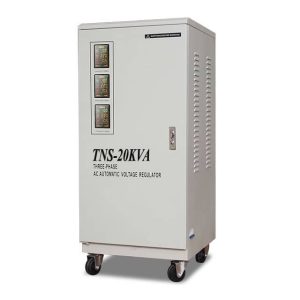
Sako TNS 20KVA Three phase (Voltage Stabilizer) AVR
-
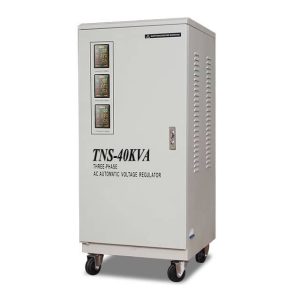
Sako TNS 40KVA Three phase AVR Voltage Stabilizer
-
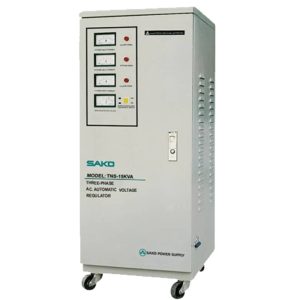
Sako TNS 100KVA Three phase (Voltage Stabilizer) AVR
-
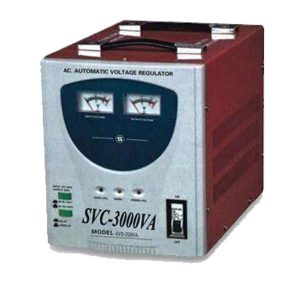
SVC 3000VA Servo Voltage Stabilizer
-
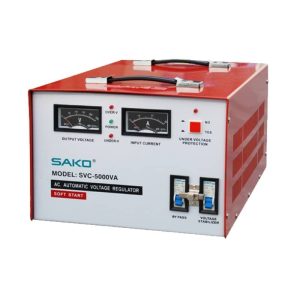
Sako SVC 5KVA Servo Voltage Stabilizer
-
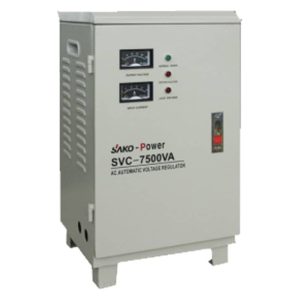
Sako SVC 7.5KVA Servo Voltage Stabilizer
-
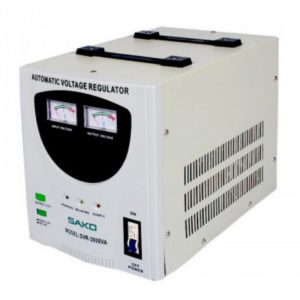
Sako SVR 3KVA Servo Voltage Stabilizer
-
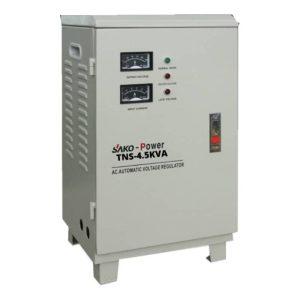
Sako TNS 4.5 KVA Three phase AVR Stabilizer
-
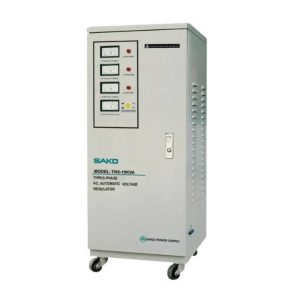
Sako TNS 15KVA Three phase Big body Stabilizer
-
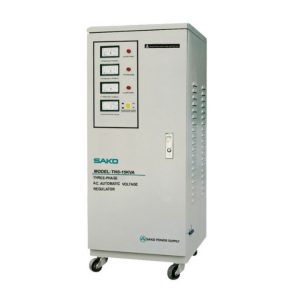
Sako TNS 30KVA Three phase AVR Voltage Stabilizer
-
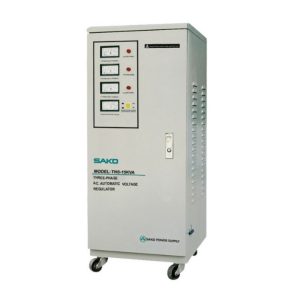
Sako AVS 15KVA Single phase Stabilizer
-
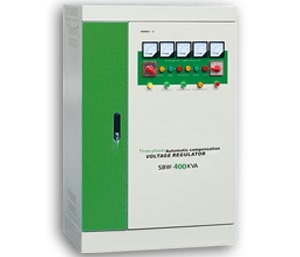
SAKO SBW 400KVA AVR- Industrial Type
A KVA generator is a great backup power source for your home or office. If you’re looking for a reliable and affordable generator, then a 10 KVA generator is the way. The generator is perfect for powering your home or office during a power outage, and it’s also great for camping trips or tailgating parties. When choosing a 10 KVA generator, it’s essential to consider the features and specifications that are important to you.
Some of the features of 10 KVA/8KW Generator
1. Portability: A 10 KVA generator should be easy to move around. It should have wheels and a handle so you can easily transport it from one location to another.
2. Runtime: The runtime is the amount of time the generator can run without refueling. A 10 KVA generator should have a runtime of at least 8 hours.
3. Fuel type: Most 10 KVA generators run on either gasoline or diesel. Gasoline is more affordable, but it’s important to note that it can degrade over time. Diesel is more expensive, but it has a longer shelf life.
4. Noise level: Some generators can be pretty loud. If you’re using the generator in a residential area, you’ll want to choose one with a low noise level.
5. Warranty: A generator is a significant investment, so you’ll want to ensure a warranty covers it. A 10 KVA generator should have a warranty of at least two years.
6. Price: A 10 KVA generator can vary depending on the features and specifications you’re looking for. However, you can expect to pay between $1,000 and $2,500 for a high-quality generator.
7. Setup: Some generators are more accessible to set up than others. If you’re unfamiliar with generators, you’ll want to choose one that’s easy to set up.
8. Maintenance: You’ll need to perform regular maintenance on your generators, such as changing the oil and spark plugs. Choose a generator that’s easy to maintain.
9. Efficiency: A 10 KVA generator should be efficient to get the most out of your fuel.
10. Size: The size of the generator is essential to consider if you’re limited on space. Choose a generator that’s compact and easy to store.
Frequently asked question (FAQ)
1. How much power does this generator produce?
This generator produces 10,000 watts of power. This power is enough to run small appliances like a fridge or television, but it is not enough to power large devices like an air conditioner.
2. What is the fuel consumption of this generator?
The fuel consumption of this generator is about 1.2 liters per hour. To give you an idea of this, a car with a gasoline engine will consume about 4-5 liters per 100 kilometers.
3. How long will the fuel last?
The tank of this generator holds 20 liters of fuel. At a consumption rate of 1.2 liters per hour, this fuel will last for about 17 hours.
4. What is the noise level of this generator?
The noise level of this generator is about 75 decibels. To give you an idea of how loud this is, a normal conversation is about 60 decibels. That means this generator is about as loud as a vacuum cleaner.
5. What is the warranty?
The warranty for this generator is important because it is a backup in case something goes wrong. This generator has a 2-year warranty. That means the company will repair or replace the generator for free if anything goes wrong within those two years.
6. What is the weight of this generator?
The weight of this generator is about 55 kilograms. That means it is not too heavy to move around, but it is also not the lightest generator on the market.
7. What are the dimensions of this generator?
The dimensions of this generator are 63 x 37 x 49 centimeters. That means it is a bit larger than a shoebox but still small enough to be portable.
8. What kind of fuel does this generator use?
This generator uses gasoline as its fuel. That means you will need access to a gas station to fill it up.
9. What is the starting method?
The starting method for this generator is electric. That means you will need to have access to electricity to start it.
10. What is the price of this generator?
The price of this generator is about $500. That means it is on the more expensive side, but it is still a good value for the features and power it provides.